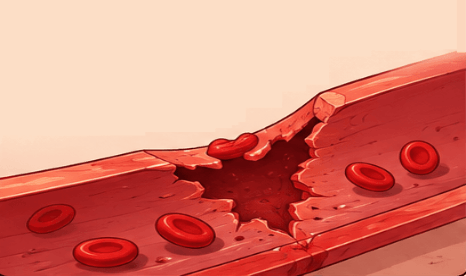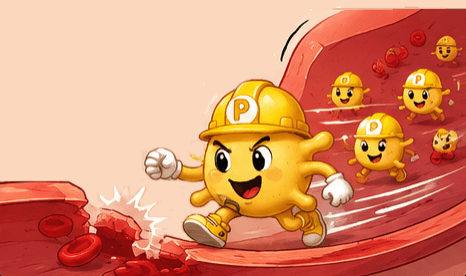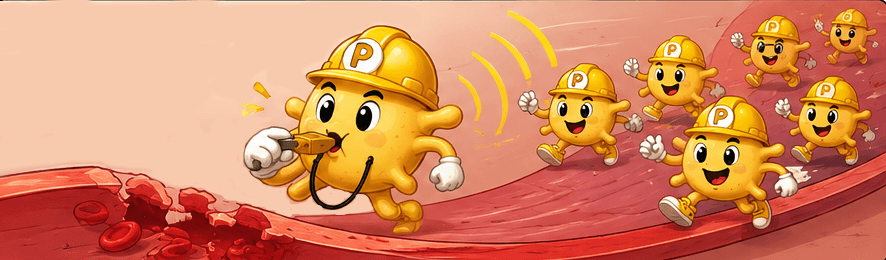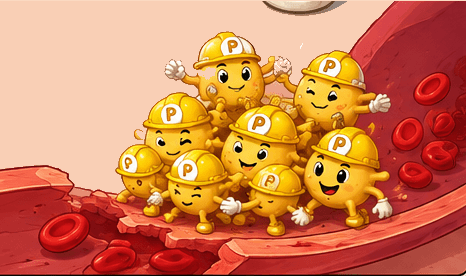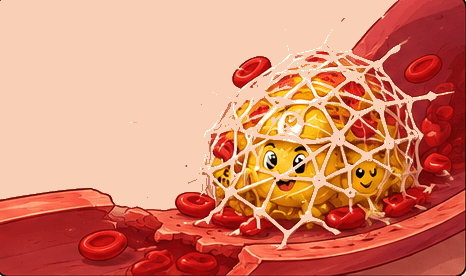

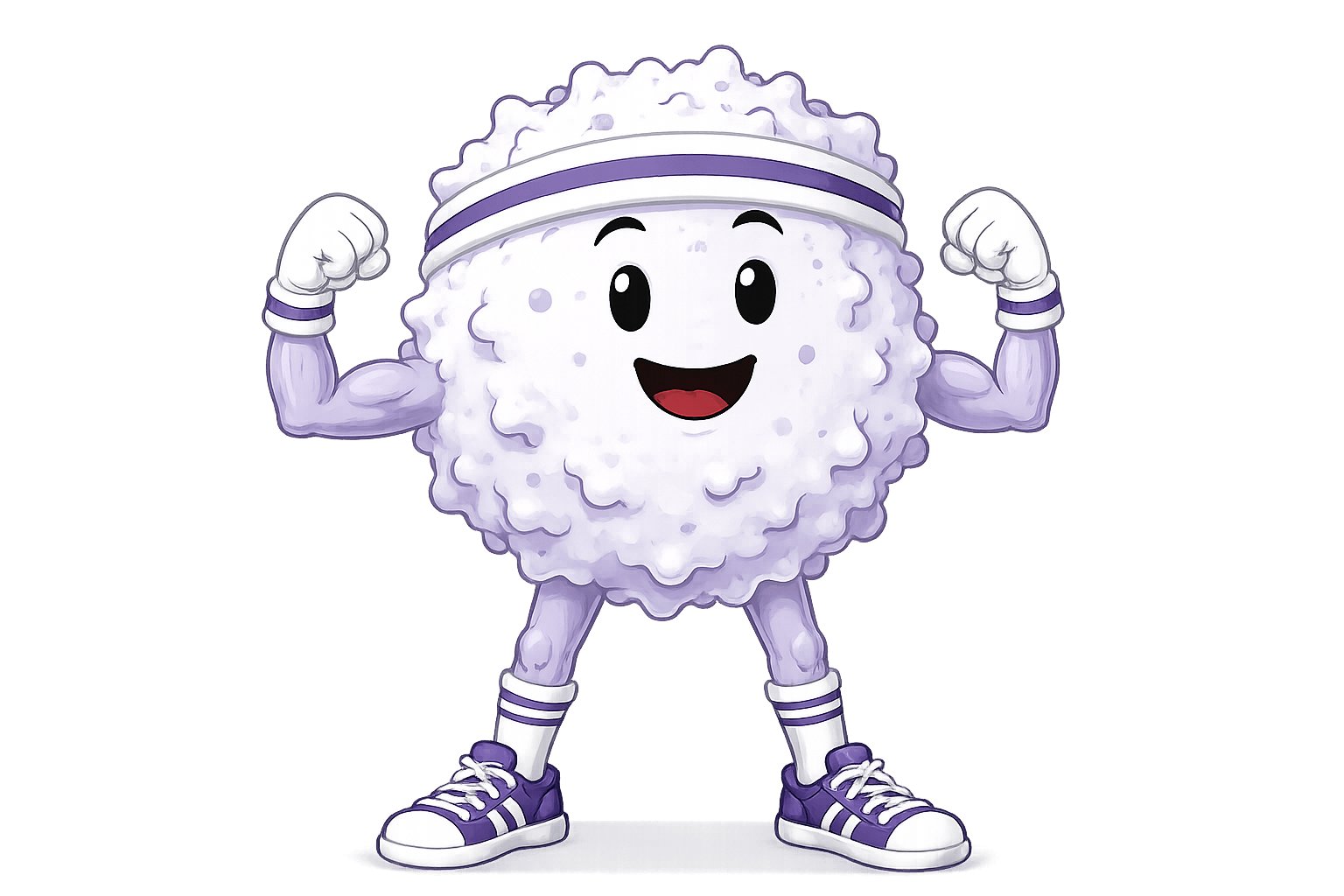

The human body is amazing and there lots of clinical stuff on how blood clots, I dont want to blind you with science so I am going to use an anology of a “POT HOLE” which everyone knows and encounters everyday!
The human body is amazing and there lots of clinical stuff on how blood clots, I dont want to blind you with science so I am going to use an anology of a “POT HOLE” which everyone knows and encounters everyday!
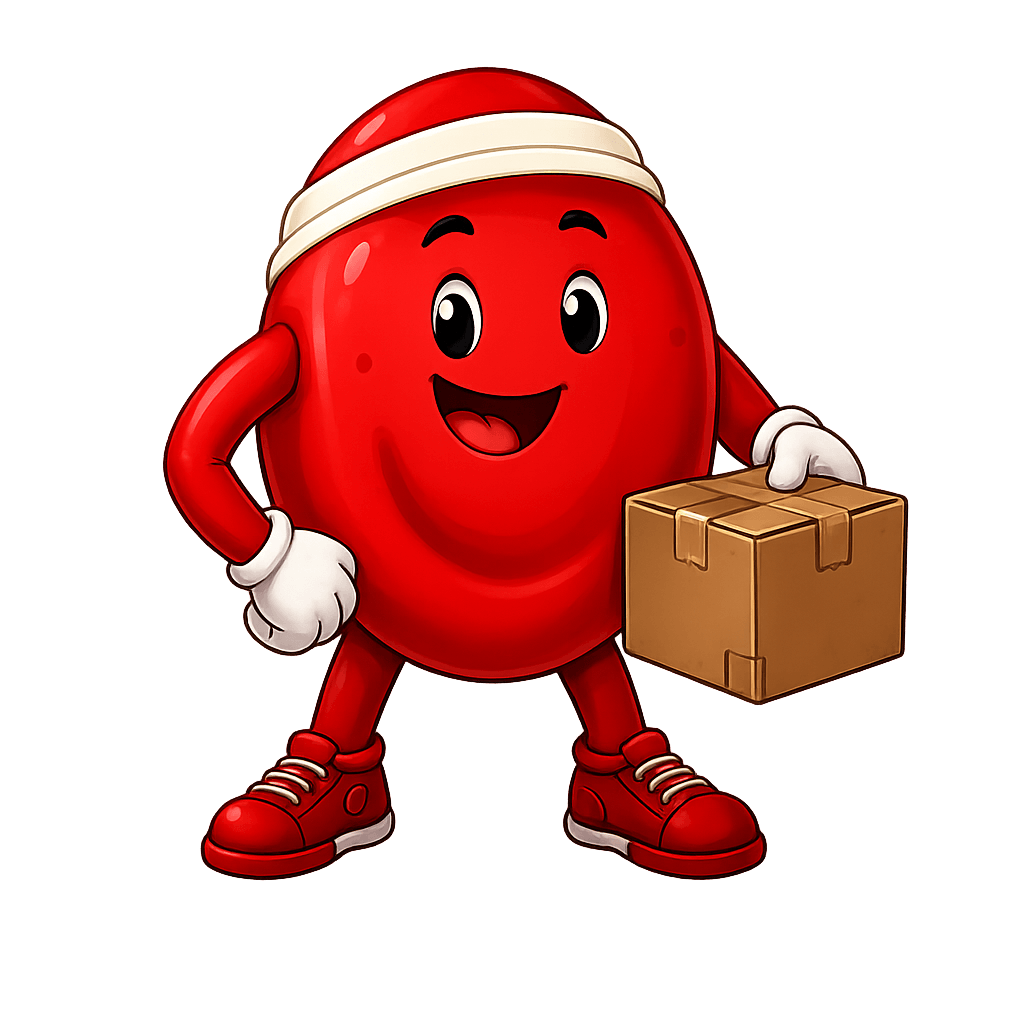
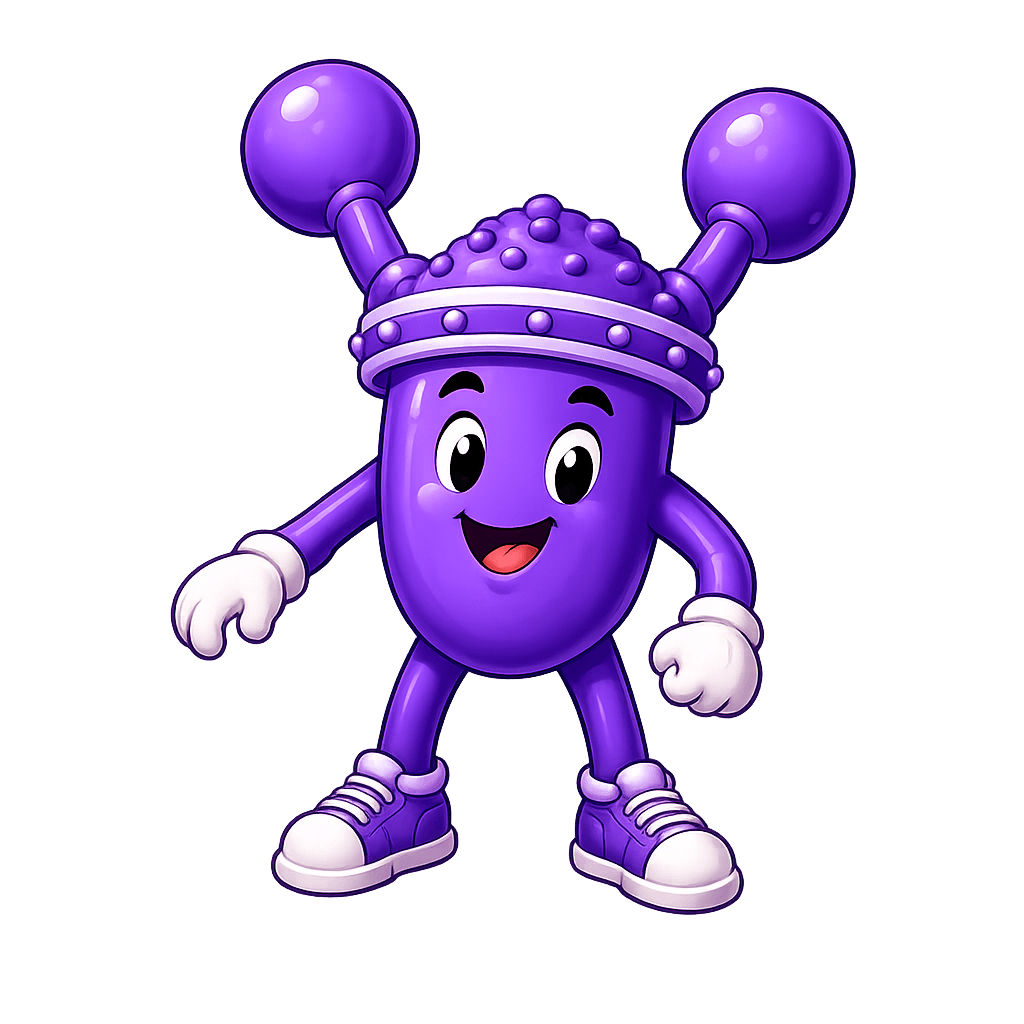
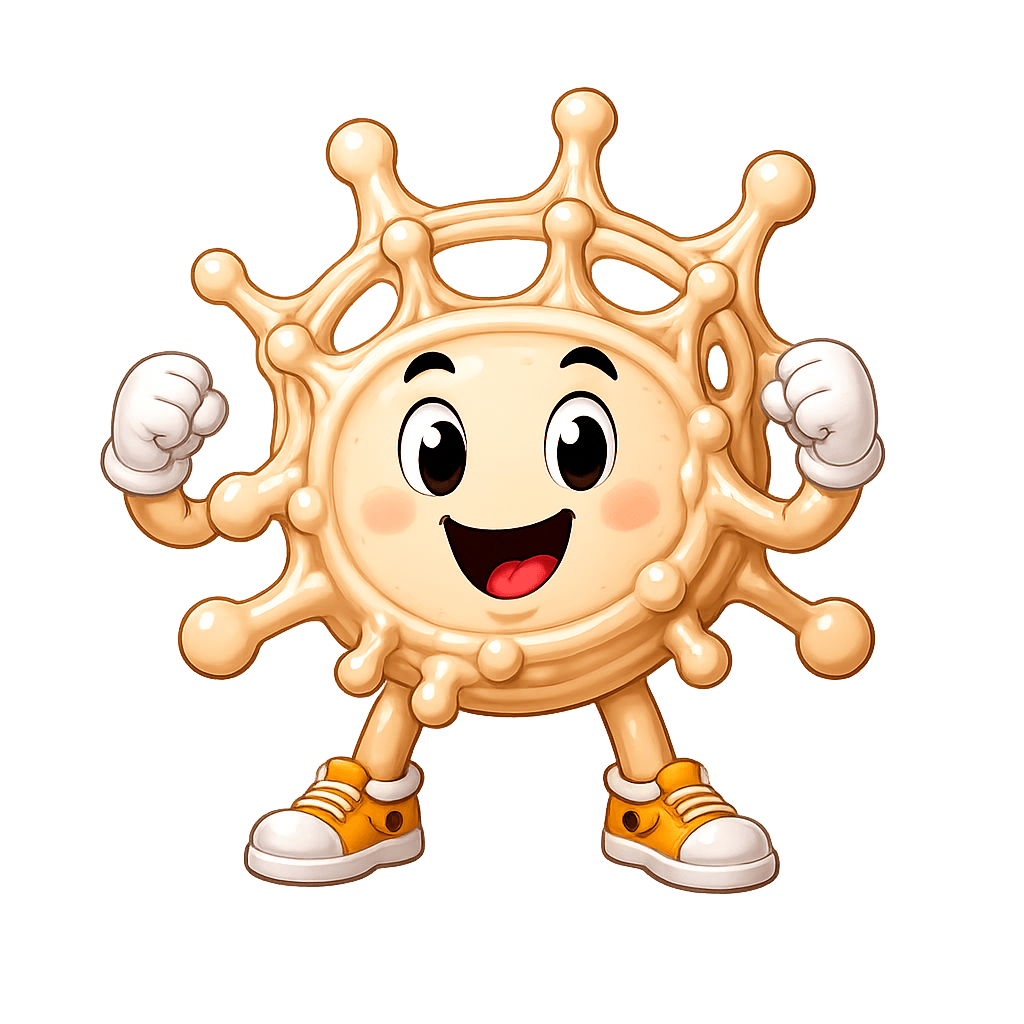
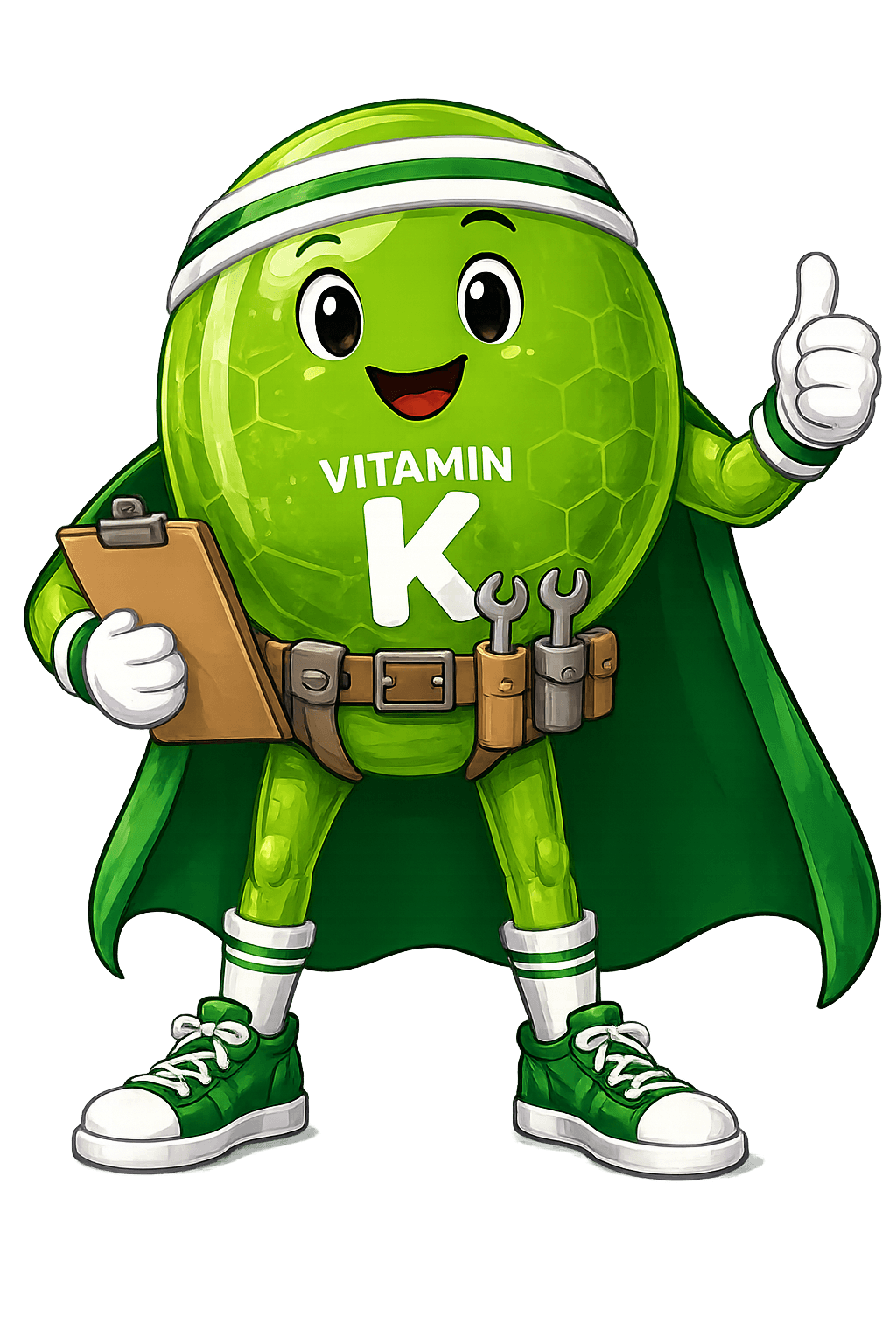
Meet the “Road Repair Crew"
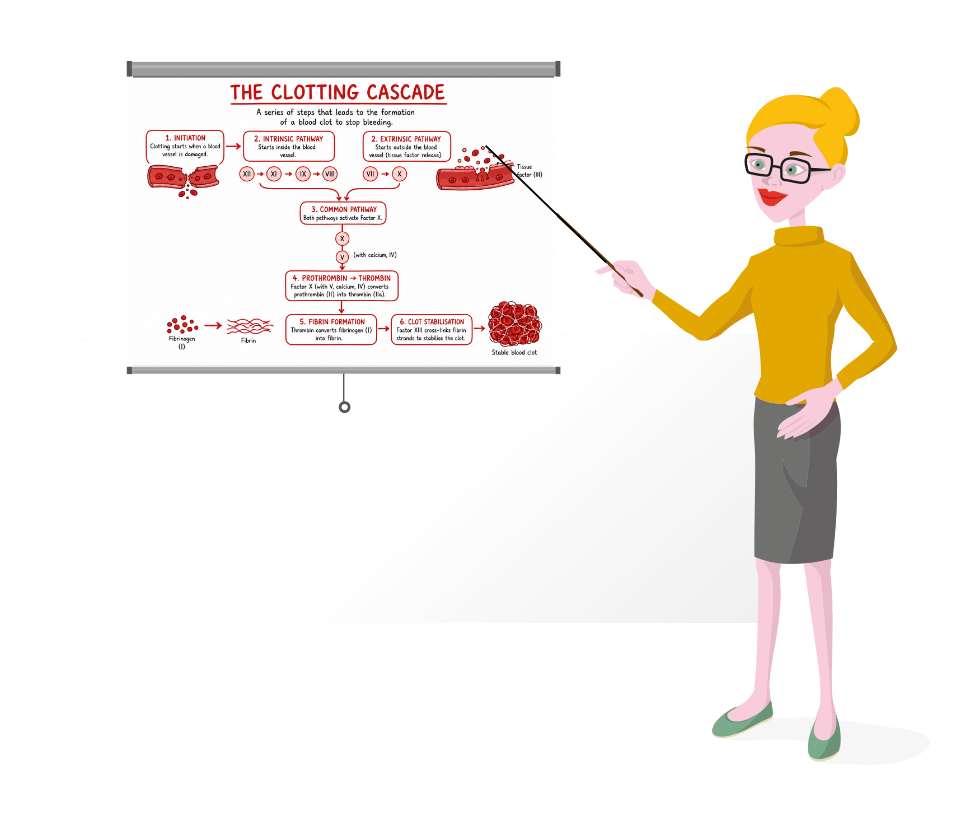
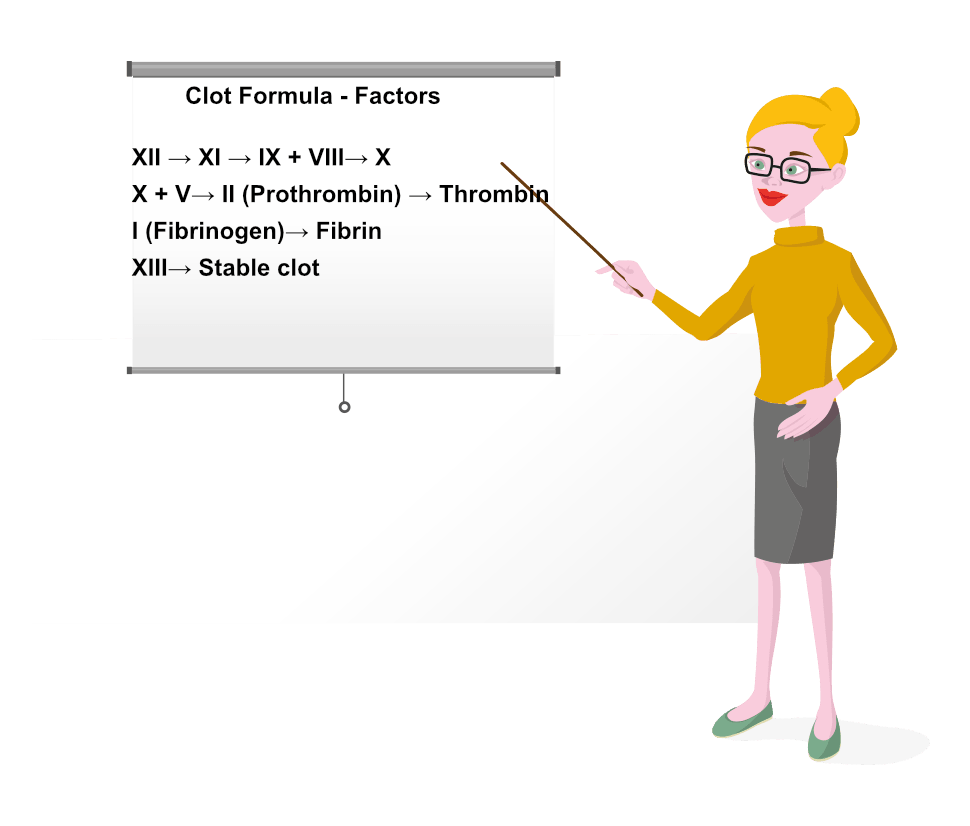
Blood Factors
Factor I (Fibrinogen)
Factor II (Prothrombin):
Factor III (Tissue Factor / Thromboplastin):
Factor IV (Calcium ions):
Factor V (Proaccelerin):
Factor VII (Proconvertin): Factor VIII (Antihemophilic Factor)
Factor IX (Christmas Factor):Factor X (Stuart-Prower Factor)
Factor XI (Plasma Thromboplastin Antecedent)
Factor XII (Hageman Factor)
Factor XIII (Fibrin-stabilizing factor)
Blood uses its different Factors to work properly and also to aid clotting if required. For example the most commonoly known Factor is VIII or 8 which is the “hamohiliac” factor - having lack of this Factor means that your blood won't clot and therefore any bleed will continue to bleed. Haemophilliacs need an injection of Factor VIII if they bleed to helpclotting
.The whole clotting mechanasim is a bit like a mathematical sum that needs all the “repair gang” working together for it to function properly and hence why its simpler to explain as a “Pot Hole” analogy.

Blood clotting is very important to the body, the above describes a bleed where a vessel is “ruptured” and repairs.
Sadly clots can form internally and build up without any signs or symptoms and these can be in veins were vlaves are damaged, in arteries where plaque - Atheroma - occurs or the arteries “clog up”.
Diet and age plays a very important factor in causing this, however, there are multiple other risks that make these happen and by reducing your risk you can lessen your chances of having a fatal Pulmonary Embolus (PE), Heart attack or Stroke.
The 13 Clotting Factors
Factor I (Fibrinogen): Converts into fibrin threads, which create the sturdy mesh that traps blood cells and seals the wound.
Factor II (Prothrombin): An active enzyme (thrombin) that converts fibrinogen into fibrin.
Factor III (Tissue Factor / Thromboplastin): Triggers the clotting process when released by damaged tissues.
Factor IV (Calcium ions): An essential mineral required for nearly every step of the clotting cascade to work.
Factor V (Proaccelerin): An accelerator that helps activate Factor X.
Factor VII (Proconvertin): Works alongside Tissue Factor to kickstart external clotting.
Factor VIII (Antihemophilic Factor): A key protein that partners with Factor IX; a deficiency here causes Hemophilia A.
Factor IX (Christmas Factor): Teams up with Factor VIII; a deficiency here causes Hemophilia B.
Factor X (Stuart-Prower Factor): The crucial meeting point where different clotting pathways combine to produce thrombin.
Factor XI (Plasma Thromboplastin Antecedent): Helps activate Factor IX in the internal clotting pathway.
Factor XII (Hageman Factor): A protein activated by coming into contact with damaged blood vessels.
Factor XIII (Fibrin-stabilizing factor): Acts as the glue that cross-links fibrin strands to make the final clot strong and
secure.
(Note: There is no Factor VI; originally thought to be a distinct factor, it was later discovered to be an activated form of Factor V).